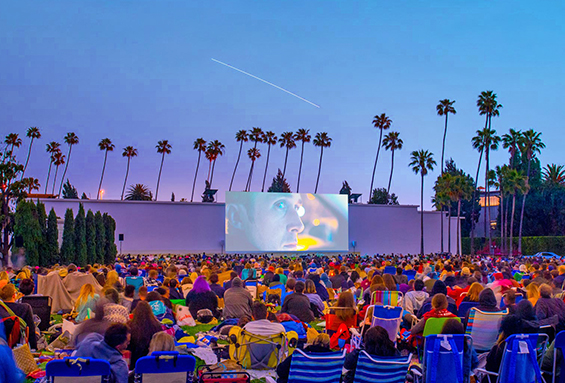
Under the glow of string lights and a fading California sunset, the Hollywood Forever Cemetery transforms. Headstones fade into the background, fog rolls gently across the lawn, and the hum of conversation gives way to John Williams’ swelling score. This is where Cinespia lives—a cinematic ritual that has turned moviegoing into something sacred, communal, and unmistakably L.A. Now, as the series marks its 25th season, it’s doubling down on the magic with a lineup that feels both nostalgic and daring: E.T. the Extra-Terrestrial, Moulin Rouge!, and David Lynch’s Mulholland Drive.
These aren’t just films. They’re cultural waypoints. And seeing them projected against the backdrop of a working cemetery—where legends like Rudolph Valentino and Judy Garland rest—adds a layer of resonance no multiplex can replicate.
The Legacy of Cinespia: More Than Just a Movie Night
Cinespia began in 2002 as a modest experiment: What if you showed classic films in a cemetery? What started as a quirky idea in a city obsessed with image and illusion quickly became a phenomenon. By 2024, over two decades later, it’s not just surviving—it’s thriving.
At its core, Cinespia understands that people aren’t just showing up to watch a film. They’re coming for the ritual—the picnic spreads, the vintage attire, the shared quiet as the first notes of a score rise above the crowd. The 25th season leans into that sentiment, curating titles that evoke strong emotional and cultural reactions.
E.T., for instance, isn’t just a beloved family film. For many, it’s childhood. Its selection speaks to generational continuity—parents introducing their kids to Elliott and the bike across the moon. Meanwhile, Moulin Rouge! and Mulholland Drive represent two sides of L.A. fantasy: one glittering and operatic, the other surreal and haunting.
Cinespia’s genius lies in its awareness of context. These films don’t just play at the cemetery—they play with it. The gothic gates, the lake, the hushed reverence of the space—it all becomes part of the storytelling.
E.T. at Dusk: Why
This Screening Feels Like a Homecoming
Few films pair better with twilight than E.T. There’s something about the golden hour fading into indigo as the suburban neighborhood lights come on, E.T.’s finger glowing—all of it syncing with the mood of the cemetery as dusk settles.
This screening isn’t just a nod to nostalgia. It’s a carefully timed emotional experience. Audience members arrive early, rolling out blankets and setting up wicker baskets brimming with charcuterie and wine. Children run between tombstones, unaware of the irony—that they’re playing where Hollywood’s ghosts sleep, just as E.T. once played in a backyard.
But the real magic happens when the flying bike soars across the 40-foot screen, backlit by the actual night sky. The effect is transcendent. There’s a collective intake of breath. Adults cry. Kids point. And for a moment, belief feels possible again.
Organizers time E.T. for early in the season—often May or June—when nights are warm but not oppressive. It’s a crowd-pleaser with wide appeal, ideal for families and newcomers to the Cinespia experience. But it’s also a statement: even after 25 years, Cinespia hasn’t lost its wonder.
Moulin Rouge! and the Art of Theatrical Excess
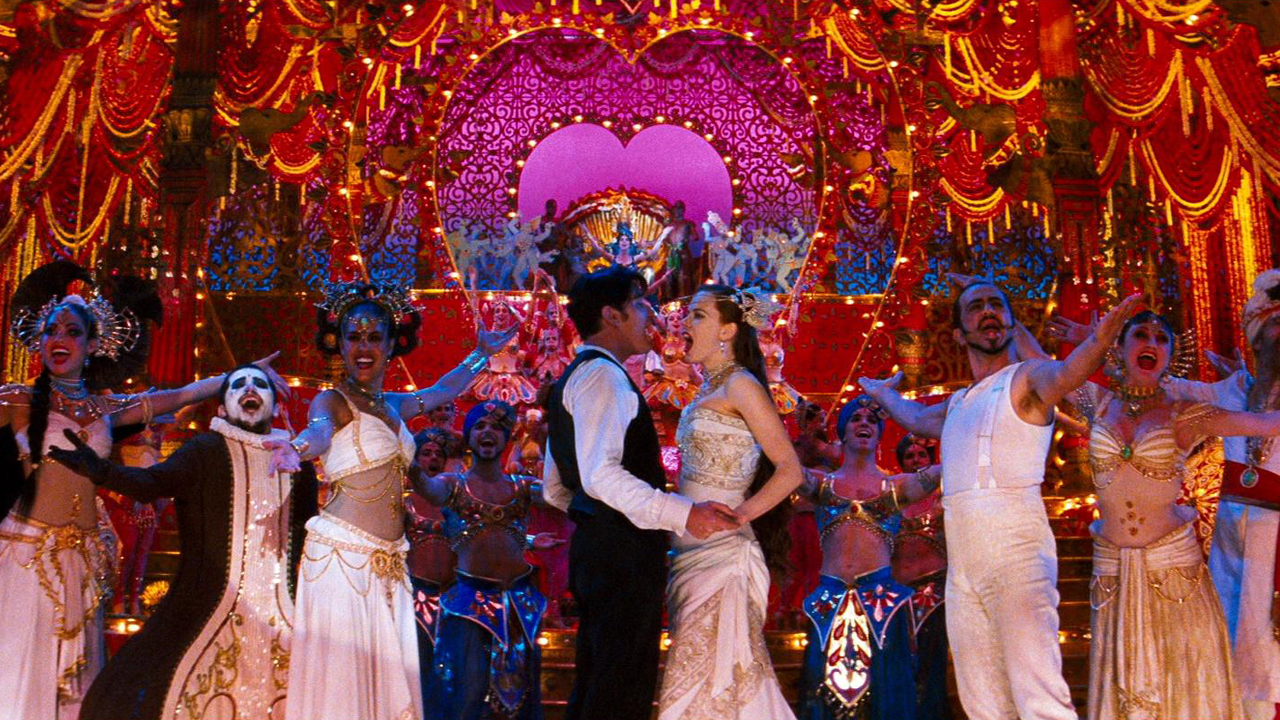
If E.T. is sincerity under a star, Moulin Rouge! is sequins under a spotlight. Its inclusion in the 25th season lineup is bold, almost defiant. Here’s a film drenched in artifice, song, and melodrama, projected in a place of stillness and memory.
But that contrast is precisely why it works.
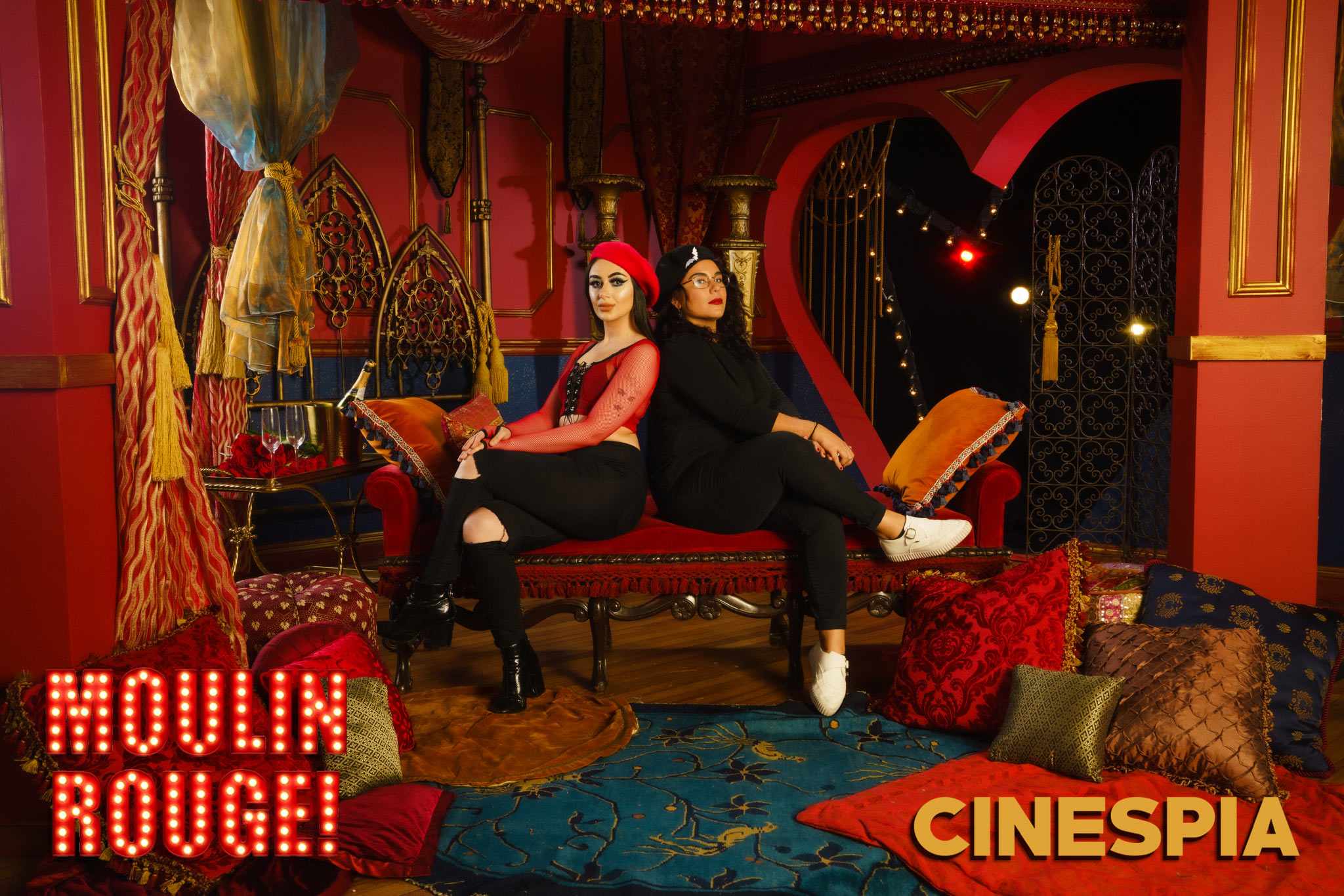
Spectacular, spectacular. The phrase echoes across the lawn as the camera whirls through the red windmill. Attendees often dress up—boas, top hats, corsets—transforming the cemetery into a pop-up cabaret. The soundtrack, already a mashup of pop hits and operatic arias, gains new energy from the open air.
This is where Cinespia’s curation shines. Moulin Rouge! isn’t just entertainment. It’s a celebration of performance, of reinvention, of L.A.’s endless appetite for transformation. And what better place to honor that than among the buried stars who once embodied it?
Practical tip: Arrive early if you’re dressing up. The lawn fills fast, and front-row real estate is claimed by those willing to camp out by 4 p.m. Bring a foldable chair—blankets compress under foot traffic, and the film runs nearly two hours.
Mulholland Drive: Dream Logic in a Place of Memory
Then comes Mulholland Drive—the curveball. David Lynch’s labyrinthine neo-noir isn’t exactly crowd-pleasing. It confounds, disorients, and lingers like smoke. Yet, its presence in the 25th season lineup may be the most thematically resonant of all.
The Hollywood Forever Cemetery is already a space of ambiguity—a place of death, yes, but also life, art, and memory. Mulholland Drive explores similar terrain: identity fractures, dreams curdle into nightmares, and Hollywood eats its hopefuls.
Screening it here feels like closing a loop. The film’s infamous Club Silencio scene—where “it is all a tape recording”—gains eerie weight in a silent cemetery, surrounded by tombstones that whisper their own stories.
This is not a film for casual viewers. But Cinespia knows its audience has evolved. What began as a retro movie night now draws cinephiles, artists, and Lynch devotees who come ready to dissect every frame. The Q&A or DJ set afterward often leans into the surreal, with ambient sets or deep-cut film discussions.
Common mistake: Don’t treat this like a picnic night. Mulholland Drive demands attention. Skip the wine if you want to follow the plot. And don’t be surprised if the screening ends in silence—then a slow, thoughtful applause.
How Cinespia Curates Its Season: A Look Behind the Scenes
The 25th season didn’t come together by accident. Cinespia’s programming team operates like film scholars with a pulse on pop culture. They balance accessibility with ambition, blending crowd-pleasers (E.T.) with cult darlings (Mulholland Drive) and musical extravaganzas (Moulin Rouge!).
Factors in selection include:
- Cultural relevance: Is the film having a moment? (e.g., anniversary, viral TikTok trend)
- Audience diversity: Can it attract families, couples, and film buffs?
- Aesthetic fit: Does it feel right in the space?
- Weather and timing: Summer nights favor longer films; early season leans family-friendly.
They also consider director legacies. Spielberg, Luhrmann, and Lynch all have strong ties to cinematic innovation—and to L.A. itself.
Workflow tip: The team often tests screen visibility and sound diffusion weeks in advance. Unlike indoor theaters, outdoor acoustics are unpredictable. Trees, wind, and the lake can distort audio. The projection team uses high-lumen projectors and redundant speaker arrays to compensate.
The Cinespia Experience: What to Know Before You Go
Attending a Cinespia screening is easy—but doing it well takes planning.
Arrive early. Gates open at 5:30 p.m., and popular screenings sell out. The lawn holds about 4,000, but prime spots near the soundboard vanish by 6:30.
Pack smart. Blankets, low chairs (under 9 inches), and picnic baskets are encouraged. But no glass, large coolers, or professional cameras.
Dress for the drop. L.A. nights cool quickly. Bring a jacket—even in summer. And while costumes are fun, comfort matters after hours on grass.
Eat well. On-site vendors offer tacos, cocktails, and gourmet snacks. But many bring their own—charcuterie, wine, and charred corn in lime are popular.
Respect the space. This is an active cemetery. Stay off graves, keep noise down between films, and never prop a speaker on a headstone.
Most importantly: put the phone away. These films—especially Mulholland Drive—deserve immersion. The cemetery does too.
Why the 25th Season Matters
Cinespia’s endurance is a quiet triumph. In an age of streaming, on-demand, and shrinking attention spans, it proves that shared cinematic experiences still matter. The 25th season isn’t just a milestone—it’s a recommitment to that idea.
By choosing E.T., Moulin Rouge!, and Mulholland Drive, Cinespia isn’t just celebrating film. It’s celebrating the spectrum of what movies can be: magical, excessive, and mysterious. And it’s doing so in a place where illusion and reality have always blurred.
This season invites you to disconnect, gather, and remember why we watch stories together. Because beneath the stars, beside the dead, a bike can still fly—and for a few hours, so can you.
Bring a blanket. Pack a story. And don’t forget to look up.
FAQ
Is Hollywood Forever Cemetery really haunted? Many believe so—ghost tours are regularly held. But during Cinespia, the mood is celebratory, not spooky. The “haunting” is more emotional than supernatural.
Can I bring my dog? Only service animals are allowed. The space is sensitive, and large crowds can stress pets.
Are restrooms available? Yes, portable restrooms are placed throughout the grounds, with attendants during peak hours.
What happens if it rains? Cinespia rarely cancels. Light rain won’t stop the show, but heavy storms may lead to postponement. Check social media for updates.
Is seating assigned? No. Seating is first-come, first-served. Premium sections require early arrival or VIP tickets.
Can I buy tickets at the gate? Not guaranteed. Most screenings sell out online. Day-of tickets are limited and subject to availability.
Are kids allowed? Yes, all-ages screenings like E.T. welcome families. But late-night films (e.g., Mulholland Drive) may not be suitable for young children.
FAQ
What should you look for in Cinespia Celebrates 25 Years with E.T., Moulin Rouge!, and Mulholland Dr? Focus on relevance, practical value, and how well the solution matches real user intent.
Is Cinespia Celebrates 25 Years with E.T., Moulin Rouge!, and Mulholland Dr suitable for beginners? That depends on the workflow, but a clear step-by-step approach usually makes it easier to start.
How do you compare options around Cinespia Celebrates 25 Years with E.T., Moulin Rouge!, and Mulholland Dr? Compare features, trust signals, limitations, pricing, and ease of implementation.
What mistakes should you avoid? Avoid generic choices, weak validation, and decisions based only on marketing claims.
What is the next best step? Shortlist the most relevant options, validate them quickly, and refine from real-world results.