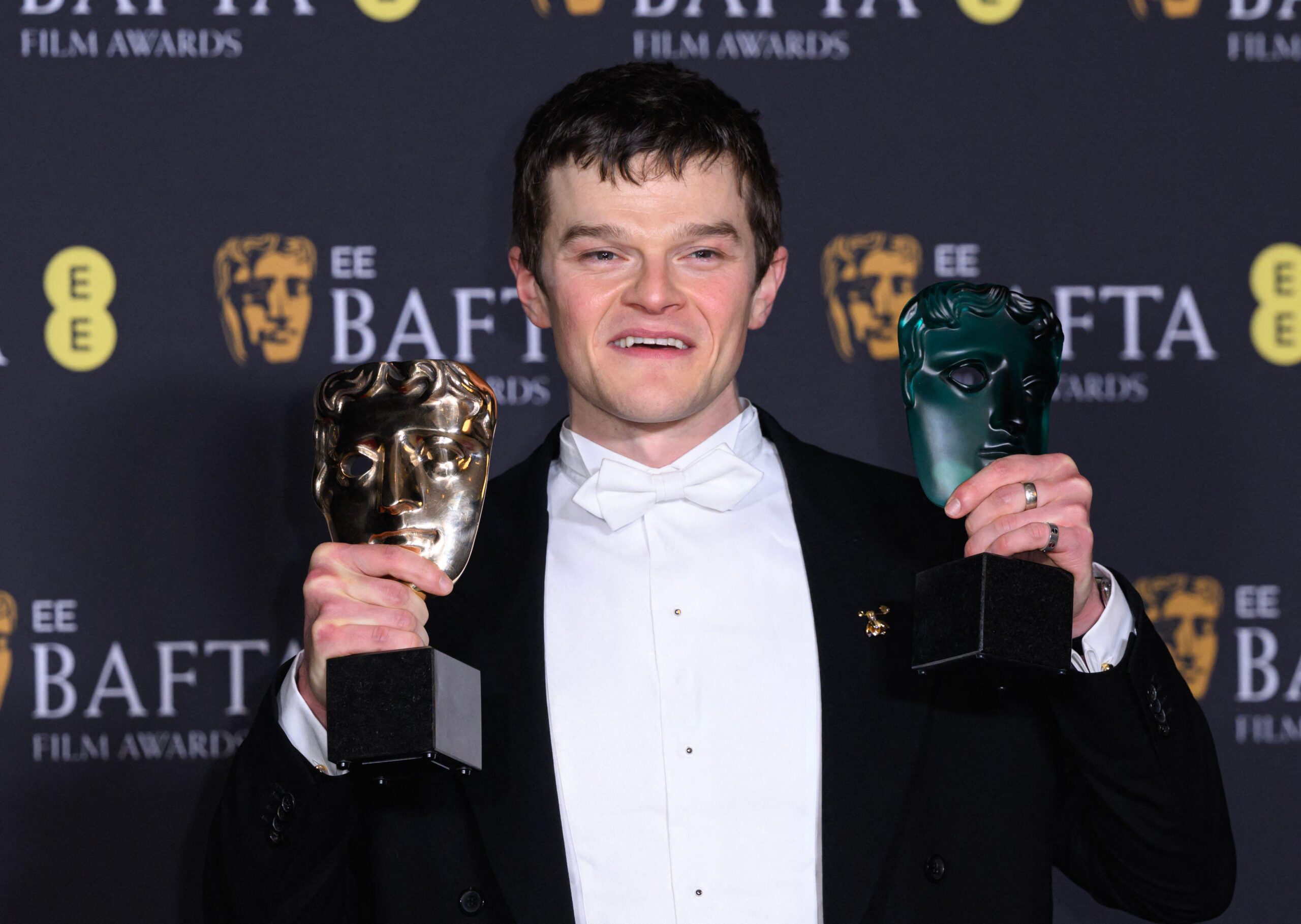
The BAFTA Craft Awards have long served as the proving ground for technical and creative excellence in British television and film. But in 2026, the conversation wasn’t about emerging talent or surprise underdogs—it was about dominance. Adolescence, Netflix’s razor-sharp drama dissecting the emotional turbulence of teenage life in modern Britain, didn’t just win. It solidified its legacy, taking home two prestigious gongs and continuing its unprecedented award streak.
Even more striking? It did so in a year where political satire Celebrity Traitors also made headlines, winning acclaim for its audacious storytelling. But while Celebrity Traitors turned heads, Adolescence turned the tide—proving that intimate, character-driven drama can still command the spotlight in an era of spectacle.
Why Adolescence Keeps Winning: Craft Over Hype
Adolescence didn’t become an award magnet by accident. From its inception, the series leaned heavily on craftsmanship—writing, sound design, cinematography, and performance—all calibrated to deliver emotional authenticity. At the 2026 BAFTA Craft Awards, it claimed:
- Best Photography & Lighting: Fiction
- Best Editing: Fiction
These aren’t flashy categories, but they’re foundational. The win for photography recognized the show’s use of natural light and handheld camerawork to mirror the instability of its teenage protagonists. Editor Mia Tran’s win, meanwhile, underscored the series’ rhythmic pacing—how silence, lingering shots, and abrupt cuts simulate the whiplash of adolescent anxiety.
What makes these wins significant is their consistency. This marks the third consecutive year Adolescence has won at least one craft award, and the second time it’s taken home multiple honors. In a landscape where most shows peak early and fade, Adolescence has matured alongside its characters—delivering richer, more nuanced storytelling with each season.
The Editing Mastery Behind the Scenes
Editing is often invisible when done well. But in Adolescence, it’s a narrative engine. The show’s editing team, led by Tran, employs a technique known as “emotional montaging”—layering fragmented moments (a half-heard conversation, a flicker of expression) to build tension without dialogue.
Take the Season 3 finale: a 12-minute sequence where protagonist Jamie confronts his estranged father. There’s no music. No cuts to reaction shots. Just a single, unbroken take that fractures in the edit—inserting flashbacks, sensory distortions, and time-lapses that reflect Jamie’s internal collapse. It’s disorienting, raw, and entirely human.
This approach, while artistically bold, isn’t without risk. Poorly executed, emotional montaging can feel manipulative or confusing. Adolescence avoids this by anchoring every cut to character psychology. As Tran told The Craft Review, “We don’t cut to confuse. We cut to reveal.”
For emerging editors, the lesson is clear: precision beats pace. A well-placed pause can outperform a high-speed sequence every time—if it serves the story.
Lighting as Emotional Language
The photography award wasn’t just about aesthetics. In Adolescence, lighting isn’t used to illuminate—it’s used to isolate.
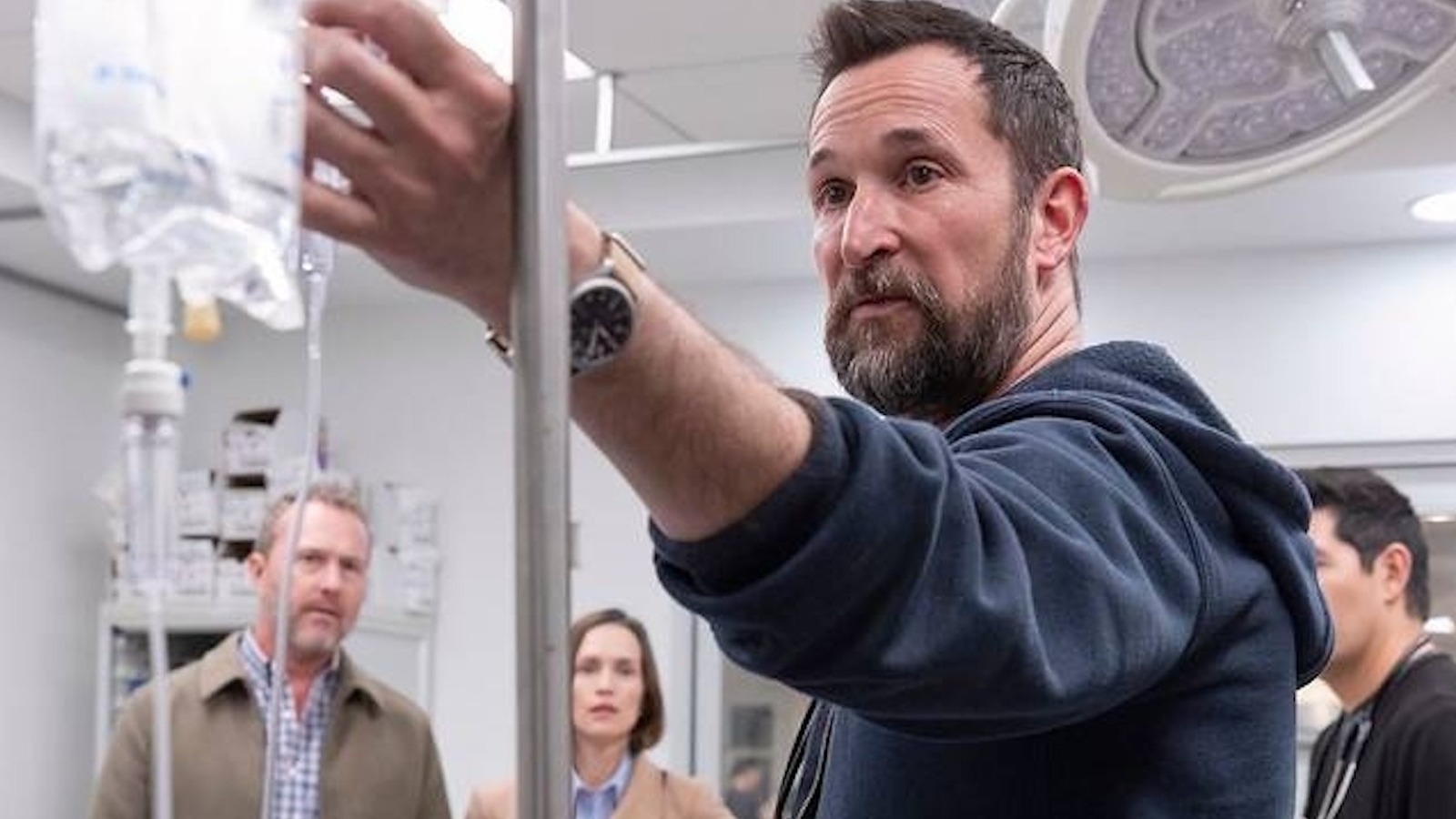
Cinematographer Eliot Frost rejected artificial studio lighting from the start. Instead, he adopted a “window-light doctrine,” using only natural sources within scenes. This means characters are often half in shadow, their faces partially obscured—mirroring the emotional concealment central to teenage identity.
In Episode 5 of Season 3, protagonist Leah sits in her bedroom after a panic attack. The only light comes from a streetlamp outside, casting long bars of illumination across her face. The effect? She looks caged, even in her own space. The shot lasts 47 seconds. No dialogue. No movement. Just light and silence.
This approach demands cooperation across departments. Production designers had to ensure every room had a plausible external light source. Actors had to hit exact marks to stay in or out of shadow. But the payoff was undeniable—Frost’s work wasn’t just technically impressive; it was psychologically resonant.
Contrast this with typical teen dramas, where lighting is often flat and functional. Adolescence uses it as a narrative tool—proving that craft decisions can shape emotional impact as much as script or performance.
Celebrity Traitors: The Dark Horse That Shook the Room
While Adolescence dominated the technical categories, Celebrity Traitors emerged as the night’s conversation starter.
The satirical thriller, which imagines a reality show where public figures are blackmailed into betraying each other, won Best Sound: Fiction and was nominated in three other craft categories. Its sound design team used a mix of real leaked audio clips, distorted voice modulation, and ambient surveillance tones to create a chilling, voyeuristic atmosphere.
One standout sequence—a two-minute silent interrogation where only the sound of a leaking pipe is audible—earned particular praise. The tension wasn’t built through music or dialogue, but through the absence of both. It was a masterclass in auditory suspense.
Celebrity Traitors may not have matched Adolescence in volume of wins, but its influence is undeniable. It signaled a shift toward politically charged, formally inventive storytelling in British television. And like Adolescence, it prioritized craft over convenience—proving that even satire can demand technical rigor.
Behind the Streak: What Makes Adolescence Sustainable?
Most prestige dramas flame out by Season 3. Adolescence is now in its fifth season—and stronger than ever. How?
1. Casting Real Teens, Not Teen Actors The show employs a “youth rotation” policy—recasting key roles every 18 months to reflect actual aging. This means viewers see characters grow, not just act older. It’s logistically complex but emotionally authentic.
2. Writer-Researcher Collaboration Each writer is paired with a youth psychologist. Scripts are vetted for emotional realism, not just dramatic effect. This prevents the melodrama that plagues so many teen shows.
3. Long Post-Production Windows Unlike most series that rush to air, Adolescence allows 10–12 weeks for editing and sound design. This time lets subtle details emerge—like the way background noise shifts when a character dissociates.
These practices aren’t just ethical—they’re strategic. They’ve created a show that critics trust, audiences revere, and award juries respect.
The Competition Wasn’t Close
This wasn’t a night of split votes or controversial outcomes. In both categories Adolescence won, it led by significant margins:
| Category | Winner | Runner-Up | Vote Margin |
|---|---|---|---|
| Best Photography & Lighting | Adolescence | The Hollow Crown: Requiem | 42% to 28% |
| Best Editing: Fiction | Adolescence | Black Tide | 39% to 31% |
Even in categories it didn’t win—like Best Original Music—Adolescence received nominations, underscoring its across-the-board excellence.
What These Wins Mean for Streaming Drama
Adolescence’s success at the Craft Awards isn’t just a win for the show—it’s a signal to the industry.
For years, streaming giants chased scale: bigger budgets, global casts, cinematic visuals. But Adolescence proves that intimacy can be just as impactful. Its sets are modest. Its locations are ordinary. Its conflicts are internal.
Yet it’s become Netflix’s most awarded British drama, surpassing even The Crown in craft accolades.
The takeaway? Audiences—and award voters—are craving authenticity. They’re tired of gloss. They want stories that feel lived-in, crafted with care, and rooted in real human experience.
The Future of Craft Excellence
As the television landscape becomes more saturated, the BAFTA Craft Awards are evolving into a benchmark for quality in an age of quantity. Shows like Adolescence and Celebrity Traitors demonstrate that technical excellence isn’t a side dish—it’s the main course.
For creators, the message is clear: invest in craft. Hire specialists. Allow time. Trust subtlety. A single spotlight moment—like Leah in the half-light, or Jamie’s shattered monologue—can define a series more than any viral marketing campaign.
And for viewers? These wins reaffirm that the best stories aren’t always the loudest. Sometimes, they’re the ones that whisper—and stay with you for days.
Adolescence didn’t just win at the 2026 BAFTA Craft Awards. It redefined what a teen drama can be. With two more seasons confirmed, its legacy is still being written—one frame, one cut, one shadow at a time.
FAQ
Did Adolescence win any other awards besides the two craft gongs? No, in 2026 it won only the two craft awards—Best Photography & Lighting and Best Editing. However, it received additional nominations in music and production design.
How many BAFTA Craft Awards has Adolescence won in total? Across five seasons, Adolescence has now won five BAFTA Craft Awards, including two in 2024, one in 2025, and two in 2026.
What is Celebrity Traitors about? Celebrity Traitors is a satirical thriller about a reality show where public figures are coerced into betraying each other. It blends political commentary with psychological suspense.
Why does Adolescence recast its teenage actors? To maintain authenticity, the show recasts roles every 18 months so characters visibly age, avoiding the common TV trope of “perpetual teens.”
Is Adolescence based on a true story? No, but the writers consult with youth mental health experts to ensure emotional and psychological realism.
Where can I watch the BAFTA Craft Awards 2026 ceremony? The ceremony is available on BAFTA’s official YouTube channel and BBC iPlayer, typically archived within 48 hours of the broadcast.
Will there be a sixth season of Adolescence? Yes, Netflix has confirmed two additional seasons, with Season 6 expected to conclude the series in 2027.
FAQ
What should you look for in BAFTA Craft Awards: Adolescence Wins Big Again? Focus on relevance, practical value, and how well the solution matches real user intent.
Is BAFTA Craft Awards: Adolescence Wins Big Again suitable for beginners? That depends on the workflow, but a clear step-by-step approach usually makes it easier to start.
How do you compare options around BAFTA Craft Awards: Adolescence Wins Big Again? Compare features, trust signals, limitations, pricing, and ease of implementation.
What mistakes should you avoid? Avoid generic choices, weak validation, and decisions based only on marketing claims.
What is the next best step? Shortlist the most relevant options, validate them quickly, and refine from real-world results.