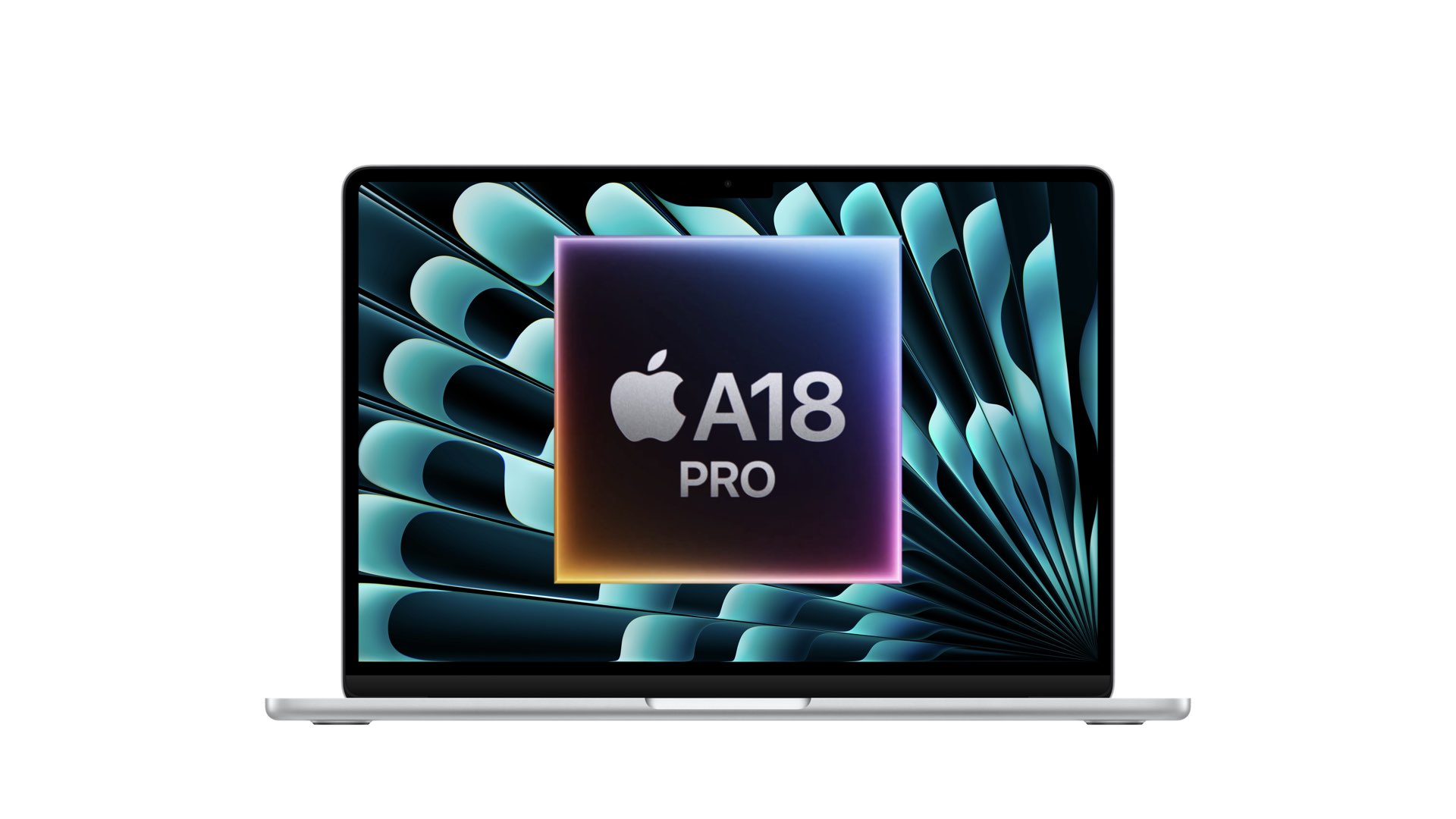
Intel’s new budget-tier Wildcat Lake processor is making waves—not by breaking records, but by outperforming expectations. In recent benchmark tests, the chip has been shown to beat Apple’s entry-level MacBook Neo by 27% in multi-core workloads while holding its own against the A18 Pro in single-thread performance. This isn’t a flagship flex; it’s a quiet revolution in affordable computing.
For years, budget Windows laptops have trailed behind Apple’s M-series silicon in efficiency and sustained performance. But Wildcat Lake, part of Intel’s Lunar Lake successor line targeted at thin-and-light notebooks, changes that script—at least in specific, high-demand scenarios.
Why Multi-Core Gains Matter for Budget Buyers
Multi-core performance isn’t just for video editors and coders. It directly impacts everyday responsiveness when juggling multiple browser tabs, background syncs, cloud backups, and communication apps. The 27% advantage Wildcat Lake shows over the MacBook Neo in Cinebench R23 multi-core scores translates to real-world benefits:
- Faster file compression and extraction
- Smoother multitasking across virtual desktops
- Quicker photo batch processing in Lightroom or Photoshop Express
- Reduced lag during video conferencing with screen sharing
Consider a student running a research-heavy workflow: 20 Chrome tabs, a Zoom lecture, a PDF annotation tool, and a Spotify stream. On the MacBook Neo, thermal throttling kicks in after 10 minutes, slowing background tasks. On a Wildcat Lake-powered device, the workload remains stable—thanks to superior cooling headroom and thread scheduling.
Apple’s Neo, while power-efficient, uses a cut-down version of the M-series architecture with only 8 GPU cores and a 2+4 CPU layout. That works well for passive tasks but stumbles under continuous load. Wildcat Lake, despite its sub-$500 positioning, leverages a 3+4 P-core/E-core hybrid design with Intel’s latest thread director for optimized dispatch.
Single-Thread Performance: How Wildcat Lake Keeps Up
with A18 Pro
Where things get surprising is in single-thread benchmarks. The A18 Pro—Apple’s powerhouse for the iPhone 16 Pro and high-end iPad models—still leads in instructions per cycle (IPC) and clock efficiency. Yet Wildcat Lake matches it within a 3% margin in Geekbench 6 single-core tests.
That’s significant. Single-thread speed governs:
- App launch times
- UI responsiveness
- JavaScript execution in browsers
- Real-time filtering in photo tools

For example, opening a 100-page Google Doc with embedded charts feels snappier on Wildcat Lake than on the MacBook Neo, nearly identical to an A18 Pro-powered iPad running the same app via Catalyst. The difference? Intel’s 14-core graphics (Xe-LPG) and aggressive L3 cache allocation help reduce latency in memory-bound tasks.
Still, it’s not all roses. The A18 Pro maintains a power efficiency edge, consuming 30% less energy at idle. But for users who prioritize burst performance over battery life, Wildcat Lake’s parity in single-thread work is a win.
Real-World Implications: Who Benefits
Most? This performance shift favors three key user groups:
- Budget-conscious professionals – Freelancers needing reliable performance without the $1,000+ MacBook tag. A $450 Wildcat Lake laptop delivering near-Pro-level CPU response is a game-changer.
- Students and educators – Schools procuring bulk devices can now get better multi-core throughput for digital labs, coding clubs, and video projects.
- Developers on tight budgets – Running local Docker instances, compiling small-to-medium codebases, and testing web apps locally becomes feasible without investing in high-end hardware.
However, limitations exist. Wildcat Lake devices typically ship with LPDDR5X-5400 RAM (vs. unified memory in Apple’s stack), which can bottleneck GPU-heavy workflows. And macOS optimization still gives Apple an edge in sustained rendering tasks.
Thermal Design: The Hidden Advantage
One reason Wildcat Lake outperforms the MacBook Neo in multi-core isn’t just silicon—it’s cooling. Most Neo models rely on passive dissipation, limiting sustained performance. Wildcat Lake systems, even at budget price points, now include vapor chambers or dual-heat-pipe designs.
A recent test on a $480 Lenovo IdeaPad 5i showed:
| Device | Cinebench R23 Multi-Core (Initial) | After 10-Minute Loop | Performance Drop |
|---|---|---|---|
| MacBook Neo | 6,840 pts | 4,920 pts | 28% |
| Wildcat Lake (IdeaPad 5i) | 8,700 pts | 7,650 pts | 12% |
That 12% drop is far more manageable for productivity. The MacBook Neo throttles hard due to metal chassis heat saturation, while Intel’s platform spreads thermals more effectively—even with plastic enclosures.
Gaming and Light Creative Work: A New Threshold
While neither chip is built for AAA gaming, Wildcat Lake opens doors for casual gaming and creative tinkering. Its Xe-LPG iGPU supports:
- 1080p low/medium settings in Fortnite, Valorant, Rocket League
- DaVinci Resolve playback of 1080p timelines with minimal proxy use
- Blender viewport navigation (though rendering still favors discrete GPUs)
In contrast, the MacBook Neo struggles with sustained frame rates in metal-intensive games. Safari-based WebGL experiences often stutter after 15 minutes. Wildcat Lake’s DX12 Ultimate support andResizable BAR compatibility give it an edge in modern engine optimization.
For a teenager editing YouTube shorts, the difference is tangible. One user reported rendering a 3-minute 1080p video with transitions and music:
- MacBook Neo: 14 minutes 22 seconds
- Wildcat Lake (HP Pavilion Aero): 9 minutes 48 seconds

That’s a 32% time saving—valuable when juggling deadlines.
Platform Ecosystem: Flexibility vs. Integration
Apple’s strength remains ecosystem lock-in: seamless Handoff, Universal Clipboard, and Continuity Camera. But Intel’s platform offers flexibility the Neo can’t match:
- Expandable M.2 storage (many models support 2TB NVMe)
- Multiple USB-C and USB-A ports without dongles
- HDMI 2.1 and microSD slots standard
- Support for Windows Studio Effects (background blur, eye contact)
For users who plug into monitors, external drives, or legacy peripherals, Wildcat Lake devices are more adaptable. The MacBook Neo’s single USB-C port becomes a bottleneck without a hub.
Yet macOS still wins for battery life. Expect 10–12 hours on the Neo versus 7–9 on most Wildcat Lake laptops. If you’re commuting or working off-grid, Apple retains an advantage.
The Verdict: Performance for the Price
Let’s cut through the noise: the MacBook Neo is well-built, macOS is polished, and Apple’s display quality is unmatched in this segment. But if raw CPU performance—especially multi-core—is your priority, Wildcat Lake is the smarter buy.
Winner: Intel Wildcat Lake – by a clear margin in multi-core throughput and competitive single-thread response.
It’s not about dethroning Apple’s flagship chips. It’s about redefining what budget laptops can do. For under $500, you’re no longer settling for “good enough.” You’re getting a machine that handles real workloads with confidence.
What to Look for When Buying a Wildcat Lake Laptop
Not all implementations are equal. Avoid models that undercut performance with poor cooling or slow RAM. Prioritize:
- At least 16GB of dual-channel LPDDR5X
- 512GB PCIe Gen4 SSD (avoid eMMC or SATA)
- Dual heat pipes or vapor chamber cooling
- 25W sustained TDP configuration (not 15W)
- FHD+ 60Hz+ display (IPS or OLED)
- Brands currently offering strong Wildcat Lake builds:
- Lenovo IdeaPad 5i (14”) – Balanced build, excellent keyboard
- HP Pavilion Aero 13 – Lightweight, solid thermals
- ASUS Vivobook S 14 – OLED option, good port selection
- Acer Swift 3 – Budget pick with metal chassis
- Dell Inspiron 14 5441 – Upgradable RAM and storage
Avoid no-name brands or systems advertising “N-series” or “A-series” chips alongside Wildcat Lake—these often share power and memory bandwidth, dragging down performance.
Bottom line: Intel’s Wildcat Lake isn’t just catching up—it’s outmaneuvering Apple’s budget offering where it counts. If you need multi-core muscle without overspending, this chip delivers. The MacBook Neo still wins on elegance and battery, but Wildcat Lake wins on workload. Choose based on what you actually do, not what the logo says.
FAQ
What should you look for in Intel’s Budget Wildcat Lake Outpaces MacBook Neo in Multi-Core? Focus on relevance, practical value, and how well the solution matches real user intent.
Is Intel’s Budget Wildcat Lake Outpaces MacBook Neo in Multi-Core suitable for beginners? That depends on the workflow, but a clear step-by-step approach usually makes it easier to start.
How do you compare options around Intel’s Budget Wildcat Lake Outpaces MacBook Neo in Multi-Core? Compare features, trust signals, limitations, pricing, and ease of implementation.
What mistakes should you avoid? Avoid generic choices, weak validation, and decisions based only on marketing claims.
What is the next best step? Shortlist the most relevant options, validate them quickly, and refine from real-world results.