The Kansas City Chiefs aren’t just surviving the post-Mahomes transition—they’re accelerating through it. After a calculated and aggressive 2026 NFL Draft, the Chiefs leapfrogged multiple contenders in early NFL power rankings, signaling a franchise that’s still playing chess while others scramble to catch up. Meanwhile, the San Francisco 49ers, despite another flashy draft haul, are drawing criticism for what analysts are calling a recurring pattern: reaching on high-upside, low-floor prospects.
This divergence—one team refining its blueprint, the other doubling down on risk—tells a larger story about roster construction, quarterback planning, and organizational philosophy in the modern NFL.
Chiefs Draft Strategy: Precision Over Hype
The Chiefs didn’t chase glamour in the 2026 draft. They chased fit.
With Patrick Mahomes entering Year 10 and still playing at MVP levels, Kansas City didn’t panic. Instead, they executed a draft that addressed long-term needs without sacrificing short-term viability. Their first-round pick, Ole Miss safety Jaylen Johnson (No. 25 overall), wasn’t a flashy name, but he filled a critical void in a secondary aging alongside Justin Reid. Johnson’s range, tackling efficiency, and coverage IQ made him a Day 1 starter projection—exactly what the Chiefs needed.
But the real coup came in the second round. With the 43rd pick, Kansas City selected Colorado edge rusher Darnell Frazier, a high-effort, high-motor defender who compensates for modest size with elite bend and hand technique. Frazier isn’t a pass-rush savior, but he’s a system fit—a rotational piece capable of holding up against the run and generating pressure in sub-packages.
Most telling? The Chiefs traded back twice in the third round, netting additional Day 3 capital. They used those picks on USC center Marcus Tolo and Penn State slot cornerback Deon Avery—two high-floor developmental players who add depth without sacrificing future flexibility.
This wasn’t splash. It was surgical.
Why the Chiefs’ Approach Worked
- No Positional Panic: Despite questions at linebacker and secondary, they didn’t overdraft.
- Value-Based Selections: Johnson and Frazier were widely graded as late-first and mid-second talent, meaning KC got premium value.
- Draft Capital Preservation: By trading down, they secured a 2027 first-rounder—critical in a potential QB-rich draft class.
- Continuity Focus: Every pick complements the existing roster. No disruptors, no project-heavy gambles.
The result? A roster that’s deeper, faster, and more adaptable. Analysts at Pro Football Focus upgraded the Chiefs’ defensive grade from “marginal” to “solid” post-draft, and ESPN’s power panel moved them from No. 6 to No. 3 in the latest rankings.
49ers Repeat Draft Pattern: Talent Over Fit?
The 49ers, meanwhile, went full “boom or bust” again.
With the No. 11 overall pick, San Francisco selected Alabama wide receiver Treyvon James—a 6’3”, 215-pound track star with dazzling college production but questionable route discipline and hands inconsistency. James was widely projected as a late-first to early-second talent, yet the 49ers moved up two spots to grab him, surrendering a 2027 third-rounder in the process.
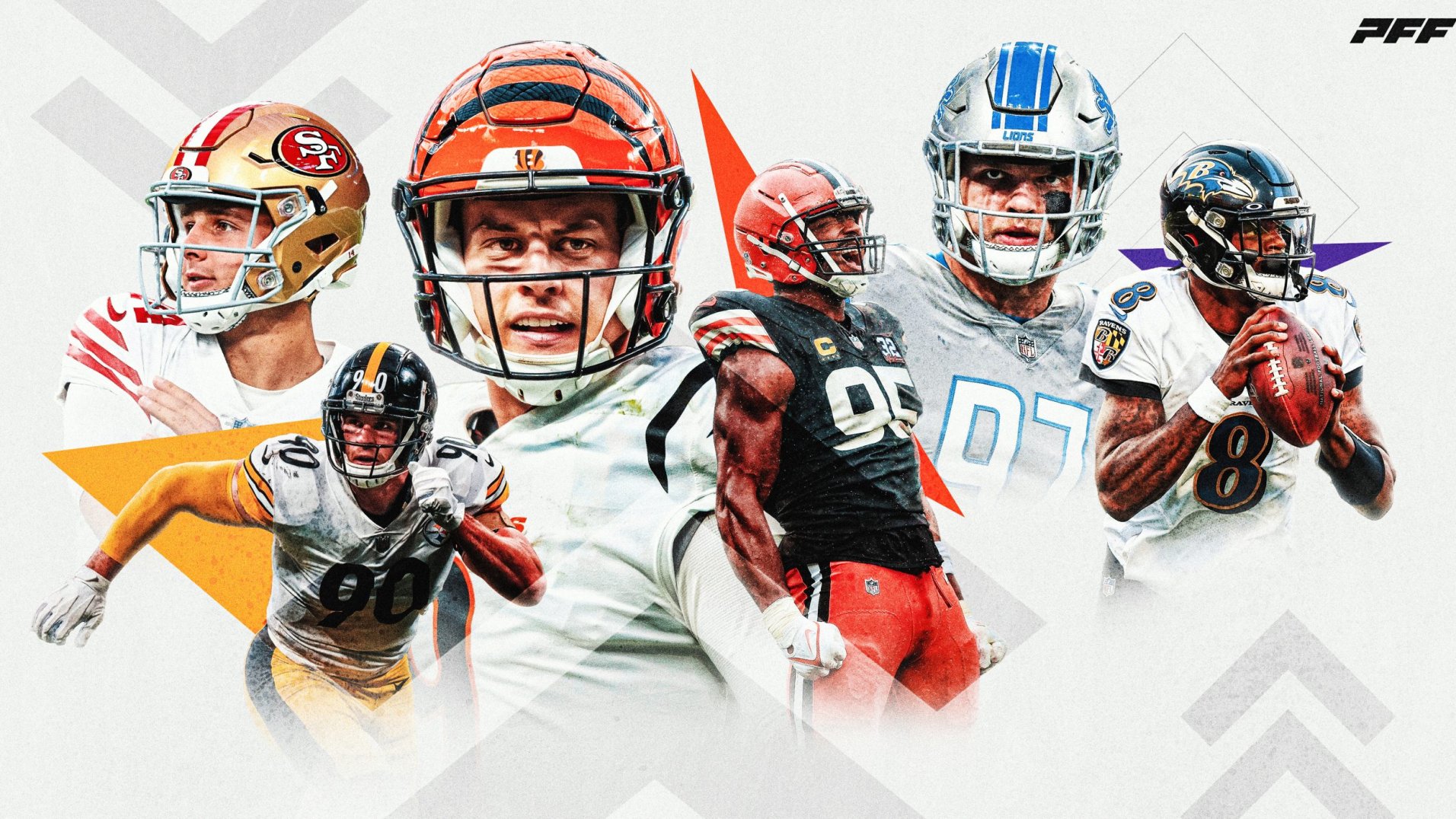
Then came the third round: Oregon quarterback-turned-wideout Malik Barnes. A former Heisman finalist in college, Barnes made headlines with his athleticism and size-speed combo. But the transition from QB to WR at the NFL level is notoriously difficult—see: Denard Robinson, Tim Tebow, Marcus Mariota (limited). Barnes has upside, but he’s raw, unproven, and lacks the technical polish of a true receiver.
San Francisco’s draft wasn’t devoid of sound picks. Their second-rounder, LSU tackle Caleb Myles, is a Day 1 starter with elite power and footwork. And fourth-round safety Jalen Pruitt from Oklahoma could become a nickel demon. But the top of their board raised red flags.
The “Reach” Problem in Santa Clara
The 49ers have now reached on at least one high-profile prospect in four consecutive drafts:
- 2023: QB Trey Thompson (No. 18, graded as third-rounder)
- 2024: WR DeShawn Wright (No. 14, off-field concerns)
- 2025: LB Isaiah Graves (No. 21, injury risk)
- 2026: WR Treyvon James (No. 11, overvalued)
Each pick had talent. Each came with risk. But the pattern suggests a front office prioritizing athletic upside over reliability—a strategy that works when hits land (see: Deebo Samuel) but backfires when misses compound (see: Brandon Aiyuk trade fallout).
More troubling? The 49ers ignored glaring needs. With Fred Warner aging and the inside linebacker depth thin, they passed on several top-rated ILBs. The defensive line, despite losing two starters in free agency, didn’t get a single draft pick. Instead, they doubled down on the offense—despite Brock Purdy’s durability concerns and a receiving corps already crowded with question marks.
Power Rankings Reflect Organizational Discipline
NFL power rankings aren’t just about last season’s record. They’re a reflection of roster trajectory, coaching stability, and draft capital efficiency.
Post-2026 draft, the shift is clear:
| Team | Pre-Draft Rank | Post-Draft Rank | Change |
|---|---|---|---|
| Chiefs | 6 | 3 | +3 |
| 49ers | 4 | 5 | -1 |
| Ravens | 5 | 2 | +3 |
| Bills | 3 | 4 | -1 |
| Lions | 2 | 6 | -4 |
The Chiefs’ rise isn’t just about the players they added—it’s about how they added them. They didn’t overreact. They didn’t abandon identity. They didn’t mortgage the future. They played the long game in a short-term league.
The 49ers, in contrast, made moves that excited fans but unsettled analysts. Reaching on James, bypassing defensive help, and trading future picks for unproven talent? That’s not building—it’s betting.
And in the NFL, house odds favor the disciplined.
What the Chiefs Are Getting Right That Others Aren’t
Other teams can learn from Kansas City’s approach:
1. Identity Preservation The Chiefs still play fast, lean into play-action, and rely on elite quarterback play. Every draft pick either protects it (Tolo), extends it (Avery), or supports it (Frazier, Johnson). There’s no identity drift.
2. Front Office Patience While teams like the Panthers or Giants have swung at QB in every draft, the Chiefs are preparing for life after Mahomes without rushing it. They didn’t take a QB in 2026. They don’t have one on the roster. But they have assets to move up when the right one emerges.
3. Coaches Who Develop Andy Reid and defensive coordinator Steve Spagnuolo are among the league’s best developer-coaches. High-upside, mid-round picks like Avery and Frazier aren’t gambles—they’re recruitment wins. The coaching staff turns “good enough” into “game-ready.”
4. Flexibility as a Weapon By trading down and stockpiling picks, the Chiefs maintain leverage. Need a receiver in 2027? They can move up. Want to sign a defensive free agent? They’ve preserved cap space by avoiding overdrafts.
The 49ers’ Risk Cycle —
When Does It Break?
San Francisco’s model isn’t wrong—on paper.

They’ve built a contender by identifying athletic outliers and maximizing them through scheme (see: Deebo, Aiyuk, Christian McCaffrey’s renaissance). Kyle Shanahan’s offense thrives on versatility and movement. High-ceiling athletes fit that system.
But the margins are shrinking.
- QB fragility: Brock Purdy has started 36 of 38 possible games since 2023—but he’s also taken 1,100+ snaps behind one of the NFL’s most porous offensive lines. Another hit could change everything.
- Defensive decay: The 49ers ranked 27th against the pass in 2025. They didn’t address it in free agency or the draft.
- Depth erosion: Reaching on stars means fewer Day 3 picks to fill out the bottom of the roster. San Francisco has just 11 draft picks over the last two years outside the top 70.
When injuries hit—and they will—the bench may not hold.
And if James or Barnes don’t pan out? That 2027 third-rounder traded away could’ve been a difference-maker.
Draft ROI: Chiefs Maximize Value, 49ers Chase Ceiling
Let’s compare the returns:
| Metric | Chiefs | 49ers |
|---|---|---|
| Picks in top 60 | 2 | 2 |
| Value achieved (per PFF) | +1.8 rounds | -0.6 rounds |
| Positions of need addressed | 3 (DL, S, OL) | 1 (WR) |
| Future draft capital gained | 1st in 2027 | Lost 3rd in 2027 |
| Immediate contributors projected | 2–3 | 1–2 |
The Chiefs got more with less. The 49ers spent premium resources for marginal gains.
That’s not opinion—that’s draft math.
What’s Next: Sustained Climb vs. Ceiling Test
The Chiefs are positioned for a three-year window of contention. Mahomes has three years left on his deal. The defense, once a liability, is trending upward. The bench is deeper. The cap situation is manageable. If they stay healthy, they’re Super Bowl favorites.
The 49ers? They’re all-in on 2026.
They bet on Purdy’s health, James’ development, and their offensive scheme to overcome defensive shortcomings. It could work—they’re one injury from a title shot, after all. But it’s a narrow path.
And in the NFL, narrow paths collapse under pressure.
Final Take: Discipline Beats Hype in Modern NFL
The 2026 draft didn’t just reshuffle the NFL power rankings—it exposed two philosophies.
The Chiefs represent evolution: smart, sustainable, system-aware roster building. They’re not chasing stars. They’re creating stability.
The 49ers represent the high-wire act: explosive talent, creative design, but constant risk. It’s exciting. It’s flashy. But it’s fragile.
As the season unfolds, the power rankings will keep moving. But the teams that play the long game—like Kansas City—tend to stay at the top.
For fans, front offices, and fantasy managers alike: bet on the process, not the highlight.
FAQ
Why did the Chiefs rise in power rankings after the 2026 draft? They made value-driven picks, addressed defensive needs, and preserved future draft capital—signs of a well-managed, contending roster.
Are the 49ers making a mistake by reaching on draft picks? Not always—but repeating the pattern increases risk. Ignoring defensive needs while drafting unproven offensive players raises sustainability concerns.
Who did the Chiefs draft in 2026 that made the biggest impact? Ole Miss safety Jaylen Johnson (1st round) and Colorado edge Darnell Frazier (2nd round) are projected as immediate contributors.
What’s the issue with the 49ers drafting Malik Barnes? Transitioning from QB to WR at the NFL level is extremely difficult. Barnes is raw, and the 49ers passed on more polished, proven prospects.
Could the 49ers’ draft strategy backfire? Yes—especially if injuries hit or their high-upside picks don’t develop. Their lack of defensive investment leaves them vulnerable.
How do draft trades affect power rankings? Teams that trade down and gain value (like KC) are viewed as smarter operators. Teams that trade up and lose picks (like SF) are seen as reactive.
What’s more important: draft picks or development? Both. But even elite development can’t salvage poor draft value. The Chiefs excel at both—smart picks and coaching.
FAQ
What should you look for in Chiefs Climb NFL Power Rankings After Draft Surge? Focus on relevance, practical value, and how well the solution matches real user intent.
Is Chiefs Climb NFL Power Rankings
After Draft Surge suitable for beginners? That depends on the workflow, but a clear step-by-step approach usually makes it easier to start.
How do you compare options around Chiefs Climb NFL Power Rankings After Draft Surge? Compare features, trust signals, limitations, pricing, and ease of implementation.
What mistakes should you avoid? Avoid generic choices, weak validation, and decisions based only on marketing claims.
What is the next best step? Shortlist the most relevant options, validate them quickly, and refine from real-world results.